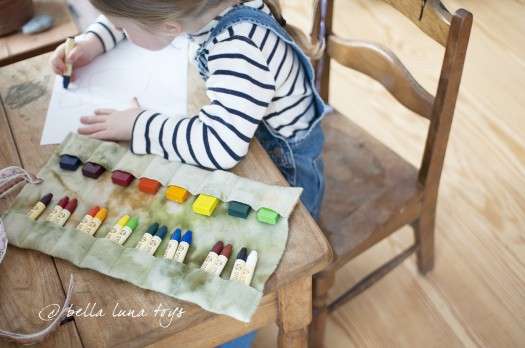
Written by contributor Sarah Baldwin of Bella Luna Toys When one discovers Waldorf education, there can be a wide variety of first impressions. My own introduction was hearing that “the arts are incorporated into every subject.” That resonated with me, and I was eager to learn more. Others may …
waldorf
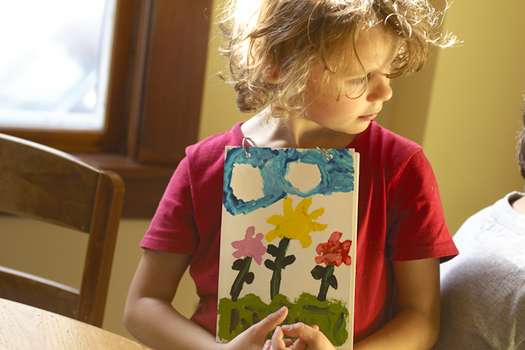
Creativity in Your Homeschool
Written by contributor Renee Tougas of FIMBY Creativity is a dominant theme in our homeschool and is one of our family values. Earlier this winter I wrote about my creative philosophy and shared the story of my own blossoming in this area. I didn't grow up thinking I was creative and I am not …
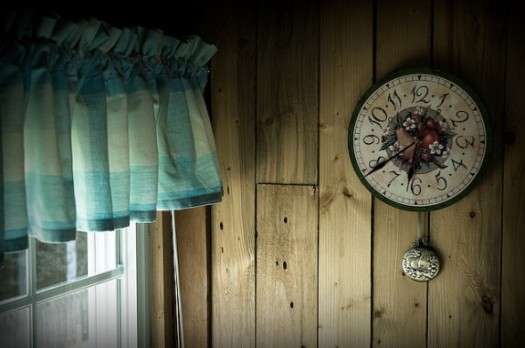
8 Ways Having a Rhythm Helps a Mom’s Day
The following is a guest post written by Kara Anderson. It was a few days after Christmas, and our house was a mess. The pantry was empty and there was a house-wide sock shortage. It was at that point, I realized, that we had definitely lost our rhythm. I first came across the idea of …
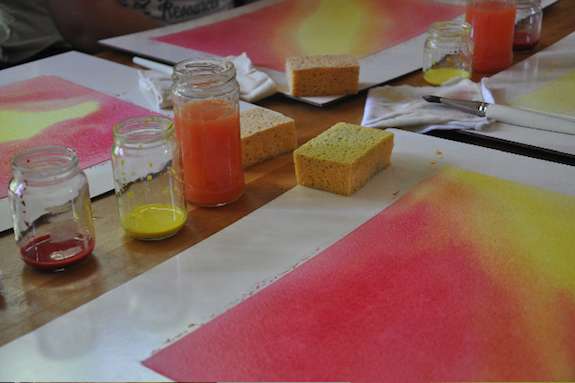
Painting Wet on Wet: Waldorf Watercolors for Children
Written by Sarah Baldwin of Bella Luna Toys and Moon Child Wet-on-wet watercolor painting is a technique taught in Waldorf schools and enjoyed by many homeschoolers. It’s a satisfying artistic experience, and the beautiful results can be turned into lovely gift cards, book covers, paper lanterns, …
Painting Wet on Wet: Waldorf Watercolors for ChildrenRead More
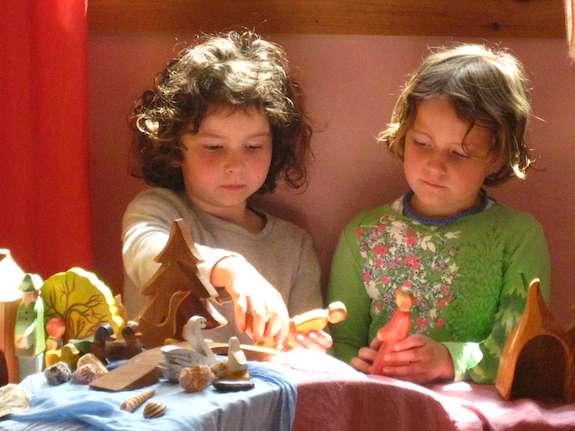
Waldorf Toys: Choosing the Best Educational Toys for Your Children
Written by Simple Homeschool contributor Sarah Baldwin of Bella Luna Toys and Moon Child As a Waldorf kindergarten teacher, one of my favorite “parent evenings” to offer was on the subject of toys and play. Over the years, I don’t think there was a single parent who walked away from such a …
Waldorf Toys: Choosing the Best Educational Toys for Your ChildrenRead More
